
What a great phrase, ‘peace of mind’. It evokes feelings of all being right with the world, or at least your world. These days peace of mind is an elusive feeling, and given the state of the world it seems likely that this will remain the case for some time. Many of us are walking around (but only in our houses and neighborhoods!) in a state of perpetual anxiety. If you search the internet you can find a number of websites offering tips for reducing stress and anxiety many of which recommend:
- Getting some exercise
- Meditating
- Focusing on your breathing
- Taking action
Taking action can mean doing something to distract from the anxiety such as calling a friend or watching a video of baby goats (so cute!), or it can mean doing something to address a source of that anxiety. For those of us who are not research epidemiologists, there is not too much action we can take to address the source of our anxiety about COVID 19. However, there are those ‘un-done’ things floating around in our brains that create a level of stress and anxiety that we can take action about. Things like repairing that broken step on the deck, digitizing 20 years’ worth of photographs, or finishing up the income taxes. These circle around quietly in our heads until something happens that brings them to the front of the ‘must-do’ list, such as someone is injured on the step or the deadline for filing the taxes is critically close (hello July 15th).
Estate planning is often one of those ‘un-done’ matters floating around in our brains. Everyone knows they should create a Will and other documents that will make it easier for their families to carry on if they become incapacitated or when they pass away, but that type of estate planning is often put on the back burner where it simmers quietly until it erupts into a full boil because of some triggering event. This event might be the birth of a child, a change in marital status, retirement, diagnosis of an illness, or a global pandemic.
Not having an up-to-date, comprehensive estate plan creates anxiety because we know that this omission puts us at risk and our families at risk. The good news is that like digitizing your photos, or finishing up your taxes, you can create an estate plan that will minimize or eliminate these risks. Move your estate planning and legacy planning from the ‘un-done’ list to the ‘accomplished’ list and find some of that peace of mind that is so elusive these days.
Attorney Suzanne R. Sayward is a partner with the Dedham firm of Samuel, Sayward & Baler LLC which focuses on advising its clients in the areas of estate planning, estate settlement and elder law matters. She is certified as an Elder Law Attorney by the National Elder Law Foundation, a private organization whose standards for certification are not regulated by the Commonwealth of Massachusetts. This article is not intended to provide legal advice or create or imply an attorney-client relationship. No information contained herein is a substitute for a personal consultation with an attorney. For more information visit http://ssbllc.com or call 781/461-1020.
June 2020
© 2020 Samuel, Sayward & Baler LLC
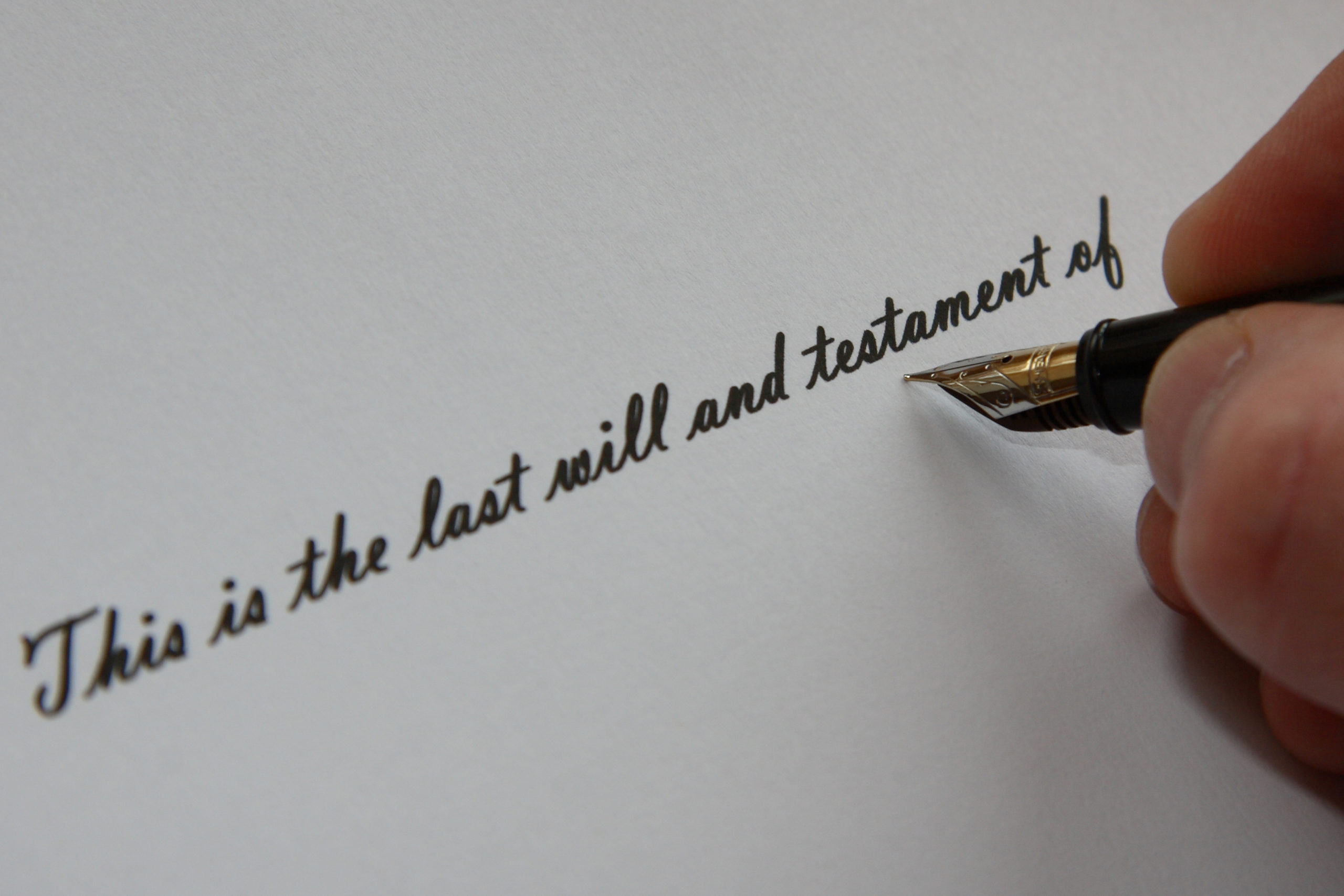
 Like so many of you, I am connecting with friends and family by telephone and videoconference to maintain my sanity and do my best to stay at home for the safety of our vulnerable community members and frontline workers during the COVID-19 pandemic. During a few of my calls, I have noticed that some of my friends and family are now thinking about creating a legacy plan or updating their estate plan along with other things they wish they had done before the pandemic. Luckily, it is not too late to accomplish many of those things, and hopefully it is simply a matter of time and patience before they can do the others. Here are a few of the (somewhat tongue-in-cheek) things my friends and family have mentioned they wish to have done before the pandemic: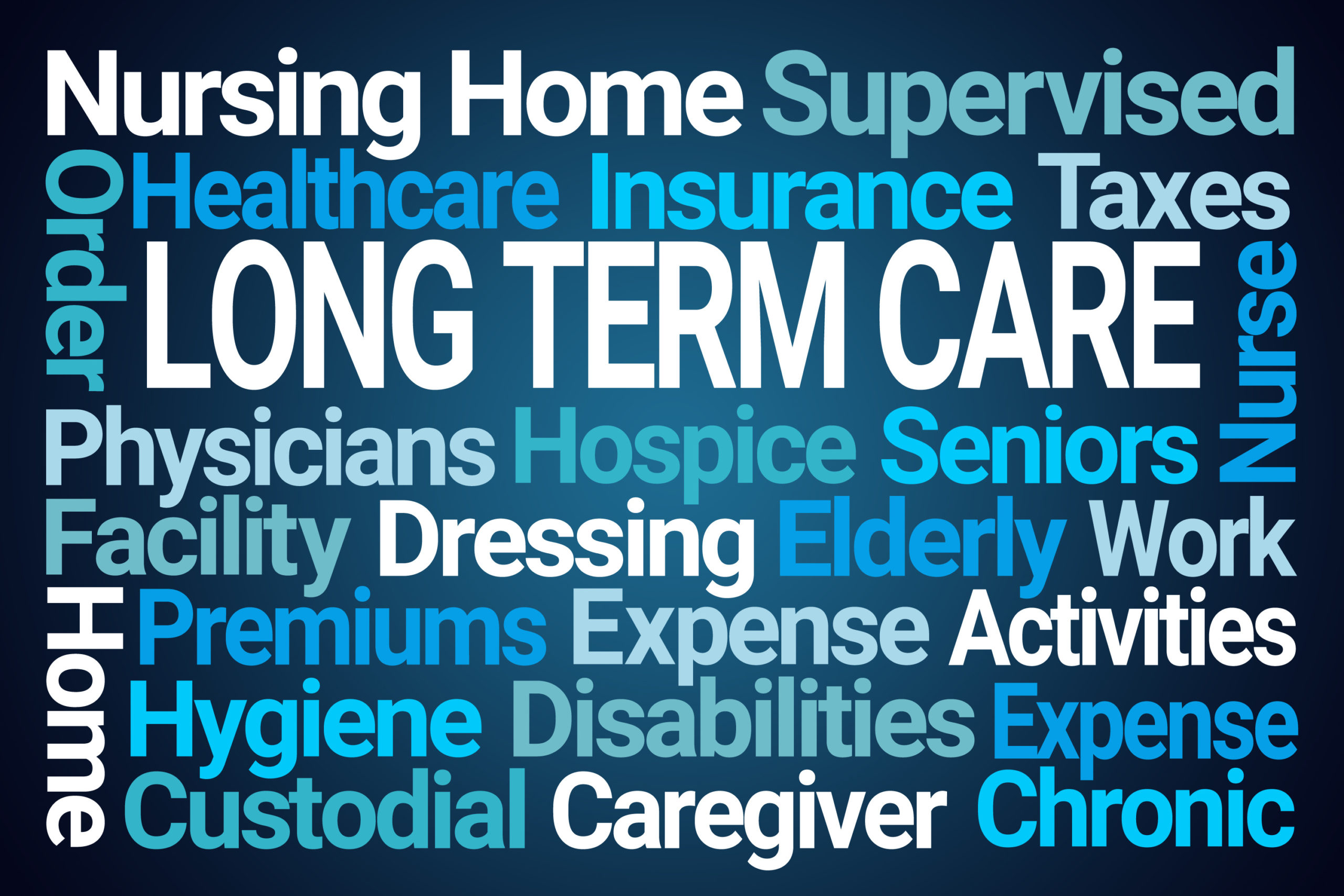
 In light of the COVID-19 pandemic, many people have questions about what will happen if they get sick or pass away. As estate planners, these are questions we think about and answer every day. Our goal as estate planning attorneys is for everyone to have an updated estate plan that will ensure you and your family are taken care of in the event of illness or death. However, there are many folks for whom estate planning has not made it to the top of their To Do list. Here are five answers to many of the questions we are hearing (over the phone and online), and some steps you can take in the short run to give yourself some peace of mind.
 Back in December, I wrote about in the event you require Medicaid (MassHealth) benefits to pay for long-term nursing home care expenses. To remind you, Medicaid is a federal/state government health care benefits program available to those who meet its medical and financial eligibility rules. Here are five more important numbers to keep in mind if you are applying for long-term care Medicaid benefits in Massachusetts.